
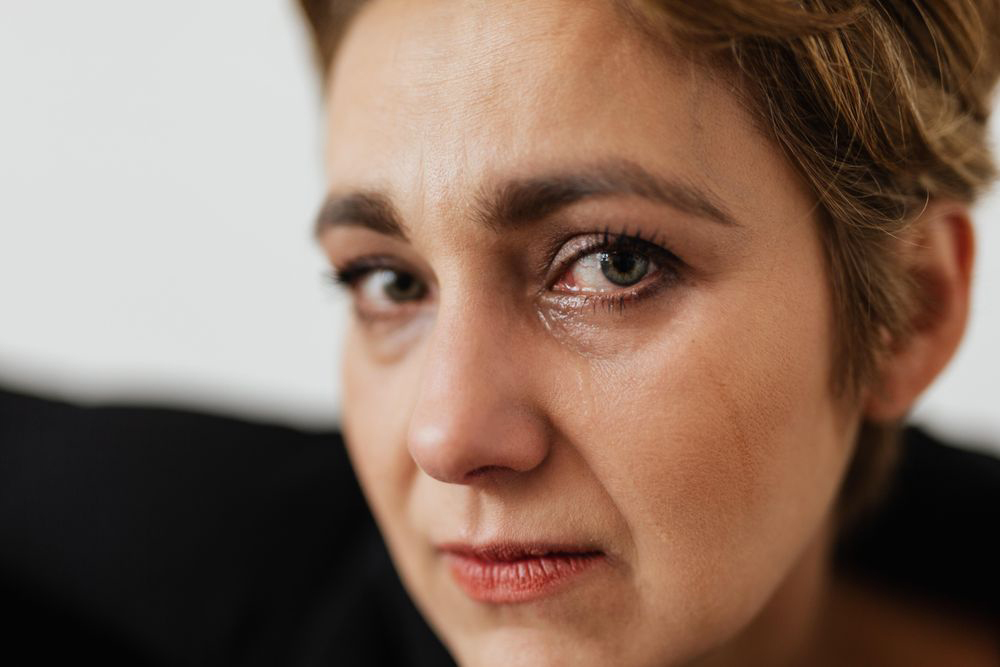
Domestic violence casts a long shadow, leaving psychological wounds that aren’t always visible to others. Even after an abusive relationship ends, survivors may continue experiencing fear, anxiety, difficulty trusting others or a persistent sense of dread.
One facet of Domestic Violence Awareness Month this October is recognizing that the effects of abuse may persist after someone reaches safety, often in the form of trauma.
Domestic Violence Isn’t Always Physical
Domestic partner abuse can take many forms, including emotional manipulation, gaslighting, intimidation, threats, sexual coercion, financial control and isolation from friends or family. You may feel like you must constantly monitor your partner’s mood or behavior or change how you dress, speak or behave to avoid triggering an angry or threatening response.
Living under unpredictable or ongoing threats can have many consequences. Survivors might jump at loud noises, feel anxious when someone raises their voice or struggle to relax in objectively safe situations. Ordinary disagreements may trigger intense fear because they resemble experiences from your abusive relationship. These responses reflect mental and physical adaptations to your repeated exposure to danger.
The Connection Between Domestic Violence and PTSD
Experiencing or witnessing domestic violence can contribute to post-traumatic stress disorder, particularly when the abuse involves actual or threatened death, serious injury or sexual violence. PTSD symptoms are multifaceted and can be highly disruptive.
- Intrusive memories: Unwanted recollections, nightmares or flashbacks related to traumatic experiences.
- Avoidance: Steering clear of people, places, conversations or situations that could bring back painful memories.
- Changes in mood and thinking: Persistent fear, guilt, shame, low self-esteem or difficulty experiencing positive emotions.
- Heightened reactivity: Irritability, sleep disturbances, difficulty concentrating, exaggerated startle responses and feeling constantly on edge.
Not everyone who experiences domestic violence develops PTSD. Some survivors live with depression, anxiety or other mental health difficulties, while others have distressing symptoms that don’t meet the diagnostic criteria for a specific disorder.
Repeated interpersonal trauma can also affect your emotional regulation, self-esteem and relationships in ways that extend beyond the symptoms typically associated with PTSD. A qualified mental health professional can recommend appropriate treatment.
Why Leaving Doesn’t Automatically End the Trauma
Healing from domestic violence requires putting physical distance between yourself and the person who harmed you. Unfortunately, leaving an abusive relationship can be extraordinarily complicated. You may experience threats toward yourself, your children or pets, housing insecurity or isolation, making the period surrounding your separation especially risky.
The psychological effects may persist even after you are safe. You might struggle to trust new people, establish boundaries or believe you don’t deserve to be with a loving, respectful partner. Some survivors also blame themselves for what happened to them or for not leaving sooner, which can complicate recovery.
How Trauma-Informed Treatment Can Help
Trauma-informed care recognizes that your emotional reactions and coping behaviors may be a direct response to what you went through. Rather than asking why you react a specific way, treatment gives you space to explore how those experiences continue affecting you.
Depending on your needs, your tailored plan may focus on reducing PTSD symptoms, managing anxiety, improving sleep, processing traumatic memories or addressing mental and behavioral health concerns that stem from trauma. Evidence-based approaches such as trauma-focused cognitive behavioral therapies and eye movement desensitization and reprocessing can be effective for PTSD when delivered by appropriately trained clinicians.
Treatment should also respect your circumstances, choices and readiness. Recovery doesn’t require forgiving your abusive partner, reconciling with them or detailing what happened before you feel ready to do so.
Healing Is Possible
Domestic violence can change how you see yourself, other people and the world around you. While its effects may persist long after the relationship ends, they shouldn’t determine your future. Pine Grove provides a robust, well-rounded psychiatric program for adults with unique clinical needs. Coordinated care planning ensures you get the comprehensive attention you need from a dedicated team of experts.
Reach out today to learn how we can reduce your symptoms and facilitate a return to a fulfilling, productive lifestyle.
If you’re currently experiencing domestic violence, the National Domestic Violence Hotline offers confidential support and safety-planning resources. Call 800-799-SAFE, text START to 88788 or visit thehotline.org.