
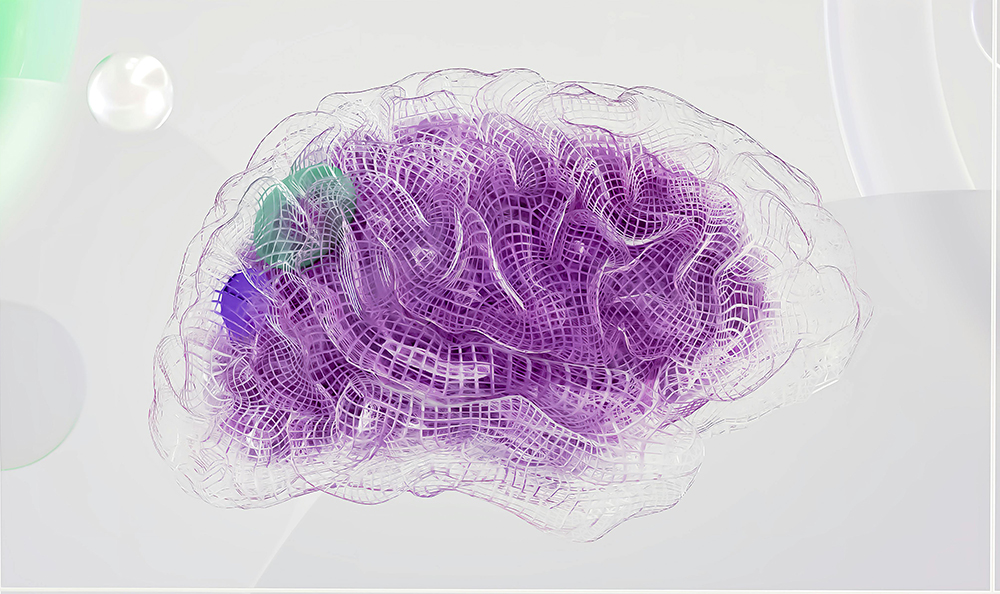
Many factors contribute to the stigma surrounding addiction, including the idea that it is a permanent brain flaw. But neuroscience now tells us something different – the human brain has a remarkable ability to heal. This process, called neuroplasticity, is the most promising concept in addiction and mental health recovery.
At Pine Grove, we use this knowledge to empower our clients. With patience, consistency and evidence-based therapy, your brain can rewire itself in pursuit of a healthier, more fulfilling life.
How Your Brain Heals From Addiction
Neuroplasticity refers to your brain’s ability to form new connections and reorganize neural pathways based on experience. When you work to acquire new skills or adopt healthier habits, your brain will adapt.
Repeated substance use reshapes the brain’s reward circuitry, reinforcing compulsive behaviors. But the same system that locked you into addiction can also support your recovery.
How Addiction Affects the Brain
Long-term drug or alcohol use floods the brain with dopamine, creating a cycle of reinforcement. Over time, your brain will:
- Reduces its natural dopamine production
- Loses sensitivity to other rewards
- Associate substance use with relief or pleasure
- Weakens impulse control and decision-making
These changes aren’t permanent, but they take time to reverse. Early recovery often feels uncomfortable because your brain hasn’t yet learned how to regulate emotions or find joy without substances. That’s where neuroplasticity comes in.
How Neuroplasticity Supports Healing
Entering treatment is your opportunity to break old patterns and build new ones. Every healthy choice you make, such as going to therapy, attending support groups, exercising and practicing mindfulness, develops new neural groundwork.
Here are some examples of neuroplasticity in recovery:
- Improved decision-making as the prefrontal cortex regains strength
- Better emotional regulation through therapy and self-awareness
- Reconnecting with natural rewards like hobbies, relationships and purpose
- Establishing consistent routines that replace cravings with positive habits
How Can Holistic Treatment Rewire Your Brain?
One of the pitfalls people experience in early recovery is impatience when they don’t immediately feel better. Healing doesn’t happen in a week or even a month. It evolves gradually, as your brain relearns how to function without substances.
At Pine Grove, we offer evidence-based addiction and mental health programs designed to promote neuroplasticity.
- Cognitive behavioral therapy: Challenges ingrained negative thoughts and behaviors
- Mindfulness and meditation: Proven to alter brain structure in positive ways
- Exercise and movement: Boost neurogenesis and mental clarity
- Nutritional support: Fuels brain recovery through a healthy gut-brain connection
- Therapeutic community: Strengthens social neural networks and accountability
When combined, these approaches teach your brain healthier ways to respond to stress, reward, and emotions.
There’s Hope for Healing
If you’re struggling with addiction or mental health issues, you don’t have to stay stuck in old patterns. When you’re willing to put in the work, recovery can be a neurological reset and your path to lasting well-being.
Contact Pine Grove today to learn how our proven approach can help you heal your mind and body together.